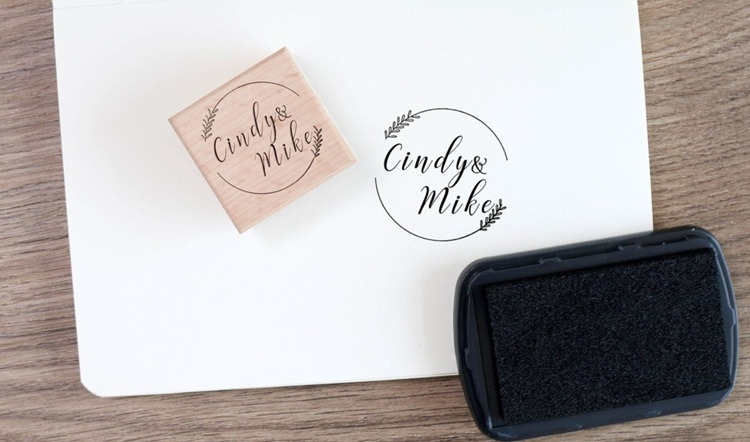
How Do Signature Stamps Support Branding and Professional Identity
A signature is a direct representation of a person or a business. It appears on documents, approvals, and invoices. Repeated manual signing can lead to inconsistency and delays over time. This is where signature stamps play an important role in maintaining branding and professional identity while improving workflow.
Signature stamps are mostly used across offices, institutions, and businesses where signatures are required frequently. Their value goes beyond convenience and recognition and credibility.
How Do Signature Stamps Support Branding and Professional Identity?
Consistency in Visual Identity
Branding depends heavily on consistency. When signatures vary in size, alignment, or clarity, documents can appear informal or unpolished. A signature stamp produces the same impression every time when it is used.
This uniform appearance helps in establishing a uniform identity across various documents. Whether it is a contract, authorization letter, or internal approval letters, the signature looks the same. This repetition reinforces recognition and trust over time, especially for external recipients such as clients, vendors, or partners.
Professional Appearance on Documents
Handwritten signatures can fade, smudge, or become unclear depending on the pen, paper quality, or writing surface. A signature stamp provides clean and legible output with each use.
Using a signature stamp with printed name adds extra clarity. The printed name eliminates confusion about who signed the document, especially when signatures are stylized or difficult to read. This combination improves document presentation and reduces follow up questions.
Time Efficiency Without Losing Authority
In professional environment, timing is more important. Signing multiple documents manually can slow down operations. Authorized individuals can speed up approvals while maintaining their official signatures by using signature stamps.
This method is commonly used for routine documents where repeated authorization is required. The presence of a uniform signature still communicates authority and responsibility, which supports professional standing rather than affecting it.
Support for Organizational Branding
Branding is not limited to logos and colors. A signature stamp becomes part of a branding. When used with letterheads and official formats, the stamp complements existing branding elements. It gives documents a structured and unform look that aligns with organizational standards. Over time, recipients associate this consistency with reliability and professionalism.
Reduced Errors and Rework
Manual signing can result in incomplete signatures, missed pages, or alignment issues. These errors usually require documents to be reprinted or resent.
A signature stamp reduces such issues by providing controlled placement and unform output. This reliability supports internal processes and reflects positively on the individual or business issuing the document.
Suitable for Various Professional Roles
Signature stamps are useful across different roles such as business owners, managers, doctors, accountants, and administrators. Each role requires repeated authentication of documents.
Using a stamp allows professionals to focus on decision making rather than repetitive tasks. At the same time, their identity remains clearly represented through the signature and printed name.
Conclusion
Signature stamps play an important role in supporting branding and professional identity. They bring consistency, clarity, and efficiency to document handling. By presenting a uniform signature across all paperwork, professionals and organizations can maintain a dependable and polished image while doing everyday tasks.
Post a comment