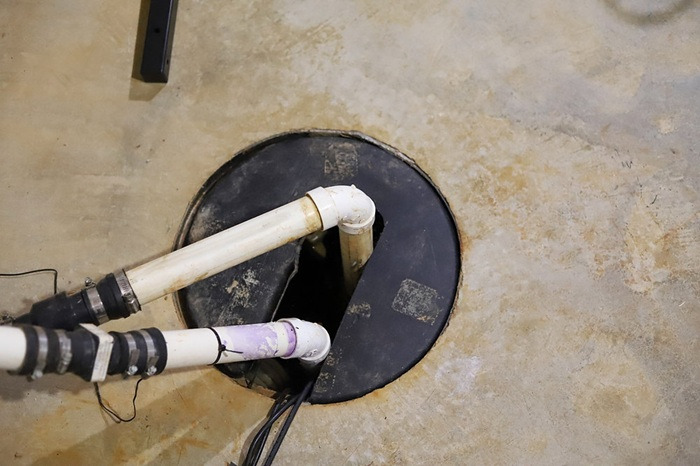
What are the Most Common Reasons Sump Pumps Stop Working Properly
A sump pump protects your basement by removing excess water before it causes flooding. Like any mechanical system, it can lose efficiency or fail over time. Most sump pump failures happen due to predictable issues that develop gradually. Recognizing these causes helps homeowners schedule repairs before serious damage occurs.
Most Common Reasons For Sump Pumps to Stop Working Properly
Power Failures During Heavy Storms
Sump pumps rely on electricity. Unfortunately, heavy storms often cause power outages at the same time groundwater levels rise. Without power, the pump cannot operate when it is needed most.
Homes without battery backup systems are especially vulnerable during storms.
Many homeowners contact Sump Pump Repair Plumbers Toronto after discovering their pump stopped working during a power outage.
Clogged or Frozen Discharge Lines
The discharge pipe carries water away from the home. If this pipe becomes clogged with debris or freezes during winter, water cannot exit the system.
When the discharge line is blocked, water returns to the sump pit and may overflow into the basement.
Regular inspection helps keep the discharge line clear and functioning.
Stuck or Faulty Float Switch
The float switch tells the pump when to turn on and off. If the switch becomes stuck or tangled, the pump may fail to activate.
Common causes include:
- ● Debris in the sump pit
- ● Improper pump positioning
- ● Mechanical wear
A faulty float switch is one of the most common reasons pumps stop working.
Pump Overload During Heavy Rainfall
Sump pumps are rated to handle a specific volume of water. During heavy storms, groundwater levels may exceed the pump’s capacity.
When the pump cannot keep up, water accumulates in the pit and increases flood risk.
Installing the correct pump size helps prevent overload.
Aging and Motor Wear
Most sump pumps last between 7 and 10 years. Over time, motors wear out and lose efficiency. Older pumps may still run but struggle to remove water quickly.
Replacing aging pumps before failure reduces the risk of flooding.
Lack of Regular Maintenance
Sump pumps operate in damp environments and collect debris over time. Without cleaning and inspection, components wear faster and blockages develop.
Routine maintenance helps extend pump lifespan and maintain performance.
Improper Installation
Incorrect installation can cause long-term problems. If the pump sits unevenly or the discharge pipe is installed incorrectly, performance may suffer.
Professional installation helps prevent recurring issues.
The Toronto Plumbers provide sump pump repair, emergency plumbing, trenchless sewer line replacement, drain cleaning, renovation plumbing, and basement flood protection services across Toronto. With over 20 years of experience, their licensed and bonded technicians use modern equipment to diagnose and repair sump pump problems.
They also help homeowners apply for Toronto’s basement flood protection rebate program.
Debris in the Sump Pit
Small stones, dirt, and debris often collect in the sump pit. These materials can block the intake screen or damage the impeller.
Keeping the sump pit clean reduces the risk of mechanical failure.
Conclusion
Sump pumps commonly fail due to power outages, clogged discharge lines, faulty float switches, overload, aging components, lack of maintenance, and improper installation. Regular inspections and timely repairs help keep the system working and protect homes from basement flooding.
Post a comment