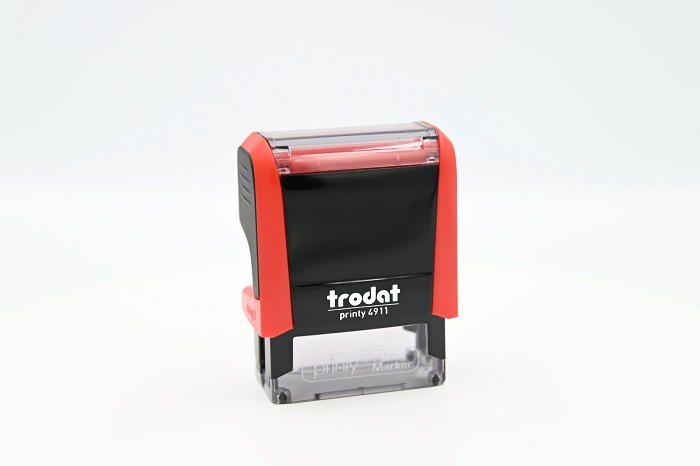
What Design Specifications Matter Most for Custom Signature Rubber Stamps
A signature stamp is a simple tool, but its design plays a major role in how well it performs. It is used on official forms, financial papers, office records, and many other documents where clarity and consistency matter. For this reason, the design specifications of a stamp should be chosen with care. From the size of the impression to the type of rubber used, each detail affects how the stamp looks and how long it will serve its purpose.
Custom Signature Rubber Stamps are often used in situations where a handwritten signature would be repeated many times. This makes it important for the stamped mark to look clear, readable, and professional. To reach that level of quality, several design factors must be considered.
Stamp Size and Layout
The size of the stamp is one of the first specifications to decide. A stamp that is too small may produce a cramped and hard-to-read impression. On the other hand, a stamp that is too large may not fit well on standard forms or signature lines. The size should match the typical space available on the documents where it will be used.
The layout of the signature also matters. There should be enough space between letters so that the ink does not spread and blur the lines. A clean layout helps the stamped signature look natural and easy to read. The design should avoid overlapping strokes or tight spacing, which can reduce clarity.
Rubber Quality and Engraving Depth
The type of rubber used in a stamp affects both the print quality and the lifespan of the product. High-grade rubber holds fine details better and resists wear over time. If the rubber is too soft, the lines may lose their shape after repeated use. If it is too hard, it may not absorb ink evenly.
Engraving depth is closely linked to rubber quality. A deeper engraving allows the stamp to hold more ink and release it in a controlled way. This produces a darker and more even mark on paper. Shallow engravings can lead to patchy prints and fading, especially after long-term use.
Ink Type and Compatibility
The ink used with a stamp should match the type of paper and the intended purpose of the document. Some inks dry quickly and work well on smooth paper, while others are better for thicker or coated surfaces. If the ink is not compatible with the rubber or the paper, it can smear or fade.
A well-matched ink and stamp combination results in a clean and long-lasting impression. This is especially important for signatures, which often appear on legal or financial records that must remain clear for many years.
Handle and Mount Design
The handle of the stamp affects comfort and control. A good handle allows the user to apply even pressure across the stamp surface. This helps the entire signature print clearly in one motion. Poor handle design can lead to uneven pressure, causing parts of the signature to appear lighter or incomplete.
The mount that holds the rubber should be stable and aligned correctly. If the rubber shifts or tilts, the stamped mark may appear distorted. A firm mount keeps the design in place and helps maintain consistency across repeated uses.
Signature Style and Line Weight
The style of the signature included in the stamp design plays a large role in how the final impression looks. Thin lines may look elegant, but they can fade faster or break up on textured paper. Thicker lines offer better visibility and last longer, especially in high-use settings.
The balance between fine detail and bold strokes should match the purpose of the stamp. For everyday office use, a slightly heavier line weight often works better, as it keeps the signature clear even after many impressions.
Alignment and Border Space
Proper alignment of the signature within the stamp area prevents cut-off edges or uneven margins. There should be enough space around the signature so that it does not touch the border of the stamp. This space helps keep the printed mark clean and well-framed on the document.
If a border or guide line is included, it should be thin and light so that it does not distract from the signature itself. The main focus should always remain on the signed name.
Durability for Repeated Use
A signature stamp is often used many times in a single day. For this reason, the materials and design should support long-term use. The rubber should resist cracking and the handle should stay firm even after frequent handling.
Custom Signature Rubber Stamps used in offices or institutions need this level of durability to avoid frequent replacement. A well-built stamp keeps its shape and print quality for a long period, making it a reliable tool for daily tasks.
Ease of Cleaning and Maintenance
Over time, ink can build up on the rubber surface. If the design has very tight spaces or sharp corners, cleaning becomes difficult. A stamp with smoother lines and clear spacing is easier to wipe and maintain.
Simple maintenance helps keep the signature sharp and prevents ink from filling in small details. This keeps the stamped mark looking close to the original design.
Consistency Across Prints
One of the main reasons for using a signature stamp is consistency. Every impression should look the same as the last. Design features such as even engraving, balanced layout, and solid mounting all support this goal.
When these elements work together, the stamp delivers a uniform signature on every document. This level of consistency is valuable in settings where accuracy and record-keeping matter.
Conclusion
The design of a signature stamp affects more than just its appearance. Size, rubber type, engraving depth, ink, handle, and layout all play a part in how well the stamp performs. By paying attention to these specifications, it becomes possible to get a stamp that produces clear, steady, and professional results over time. A carefully planned design supports both daily use and long-term reliability, making the stamp a useful tool for any workspace.
Post a comment