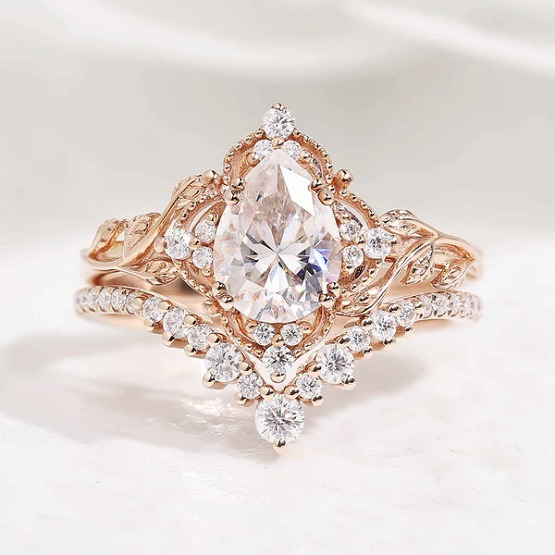
What Should You Check Before Purchasing Fine Jewelry Online
Buying fine jewelry online has become common due to convenience and wider selection. However, without physically examining the piece, there are several factors you must review before placing an order. Similar to troubleshooting a hardware issue, checking the basics first can prevent costly mistakes later. Below are the key points you should verify before purchasing fine jewelry online.
What Should You Check Before Purchasing Fine Jewelry Online?
Seller Credibility and Business Details
The first thing to check is the credibility of the online jewelry seller. Look for clear business information such as company address, contact number, and customer support options. A legitimate seller like Lahela Jewelry will clearly state who they are and how they operate. Reading customer reviews on independent platforms can help you understand how the seller handles orders, returns, and complaints. Avoid stores with vague information or inconsistent feedback.
Product Description Accuracy
Every jewelry listing should include a detailed product description. This includes metal type, gemstone details, weight, size, and finish. If the description lacks specifics or uses broad terms, it may indicate poor transparency. Fine jewelry requires clarity because small variations in metal purity or gemstone grade can significantly affect value. Reputable sellers like Lahela jewelry usually provide precise specifications to avoid confusion.
Metal Purity and Certification
Check the metal purity carefully before purchasing. Gold should be marked with karat values such as 14K or 18K. Silver should specify sterling silver or 925 purity. Platinum should mention its percentage content. Certification details for precious metals and gemstones should be mentioned clearly. If certification is provided, confirm which authority issued it and whether the document is included with the product.
Gemstone Quality Details
If the jewelry includes gemstones, review the quality details provided. Diamonds should include information about cut, color, clarity, and carat weight. Colored gemstones should mention treatment methods, origin if available, and grading standards. Sellers who skip these details may not prioritize quality disclosure. Clear gemstone information helps buyers understand what they are paying for.
High Quality Images and Videos
Visual representation plays a major role in online jewelry purchases. Check whether the product listing includes multiple images from different angles. Close up images help identify setting quality, gemstone placement, and surface finish. Some sellers also include videos to show how the jewelry looks under light. Poor quality images or limited visuals can hide flaws.
Size and Measurement Information
Incorrect sizing is one of the most common issues with online jewelry purchases. Rings, bracelets, and necklaces should include accurate measurements. Ring size charts and length guides should be provided. If sizing information is missing or unclear, it increases the risk of receiving an item that does not fit properly. Always verify measurements rather than relying on assumptions.
Return and Exchange Policy
Before completing the purchase, review the return and exchange policy. Fine jewelry should come with a clear timeframe for returns, conditions for eligibility, and refund methods. Some sellers restrict returns on customized or engraved items, which should be stated upfront. A transparent return policy shows that the seller is confident in product quality and customer satisfaction.
Pricing and Value Comparison
Compare prices across multiple online stores to understand the average market rate. Extremely low prices compared to similar products can indicate lower material quality or missing certifications. Fine jewelry pricing depends on metal rates, gemstone quality, craftsmanship, and brand value. A fair price usually aligns with detailed descriptions and certifications rather than discounts alone.
Shipping, Insurance, and Packaging
Check how the jewelry is shipped and whether insurance coverage is included. Fine jewelry should be shipped with tracking and insurance to protect against loss or damage. Packaging details also matter, especially if the item is a gift. Professional packaging reflects attention to handling and presentation.
Customer Support Availability
Reliable customer support is essential when buying valuable items online. Check whether the seller offers email, phone, or chat support. Prompt responses to queries indicate a well managed operation. If support channels are difficult to access before purchase, post purchase assistance may also be limited.
Final Thoughts
Purchasing fine jewelry online can be smooth if the right checks are done beforehand. Verifying seller credibility, product details, certifications, and policies helps reduce risks. By following these steps, buyers can make informed decisions and avoid common issues associated with online jewelry purchases.
Post a comment